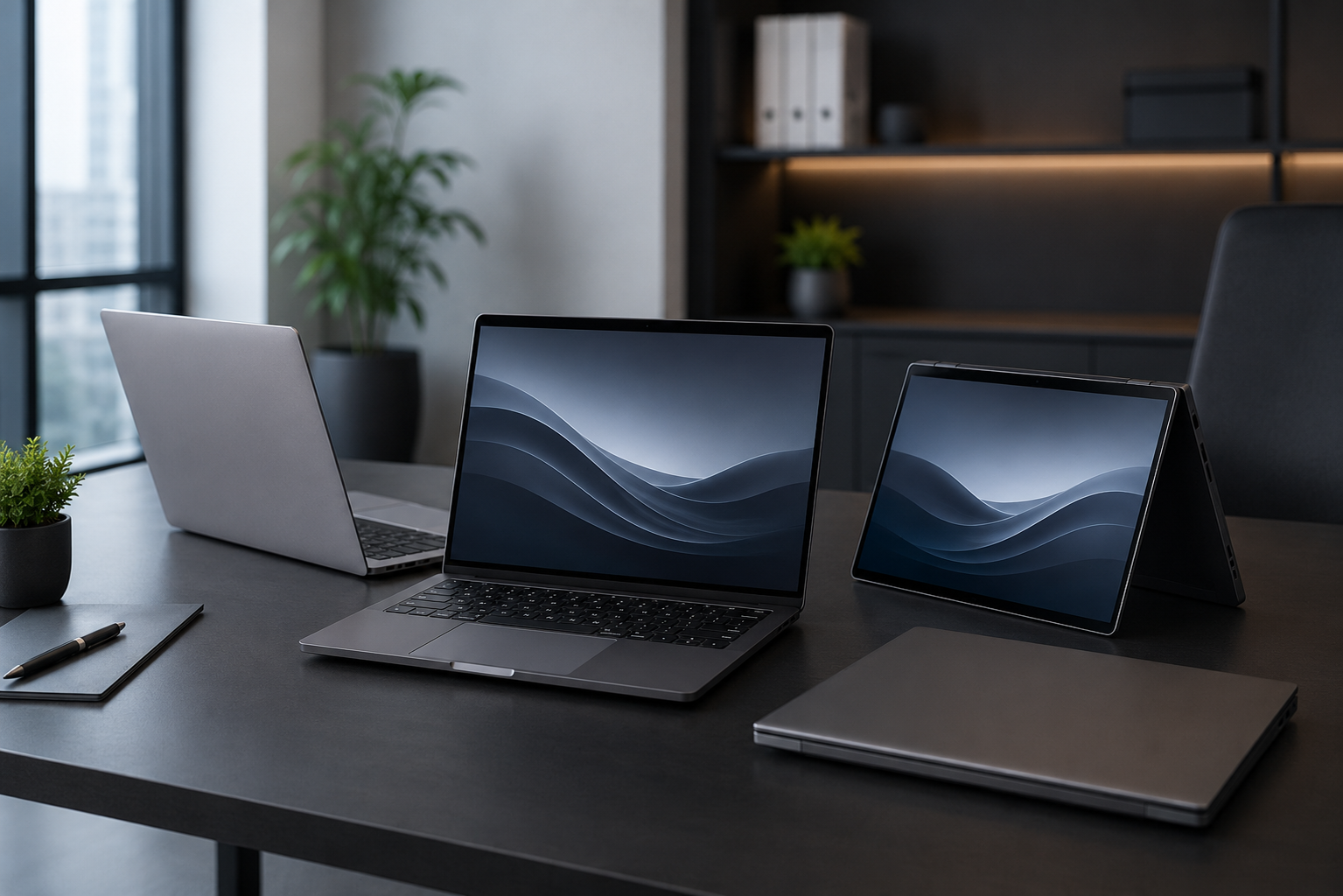
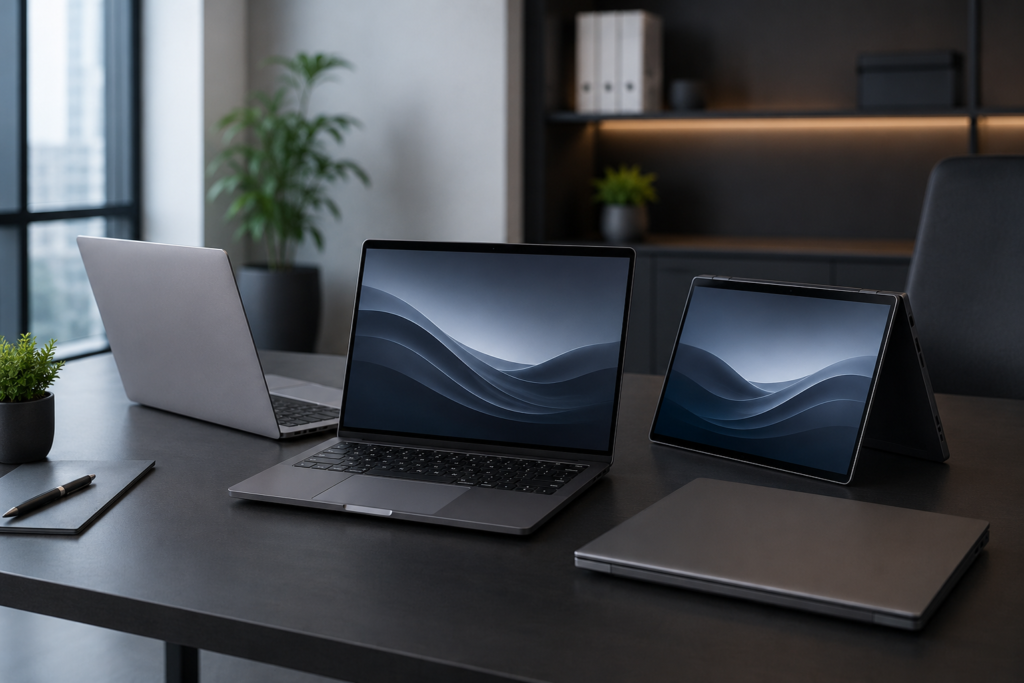
Modern businesses need dependable technology to manage daily tasks, communicate with customers, protect company information, and support employees. Choosing the right Business laptops can improve productivity, reduce technical problems, and help teams work efficiently from almost anywhere.
A business computer is different from a standard personal laptop. It is usually designed with stronger security, better durability, longer battery life, and more reliable performance. Whether you run a small company, manage a growing team, or work independently in the USA, investing in the right laptop can make everyday business operations easier.
Why Businesses Need Reliable Laptops
Employees use computers for emails, video meetings, spreadsheets, presentations, accounting software, project management, and customer support. A slow or unreliable device can interrupt these tasks and reduce productivity.
The Best laptops for business provide a balance of speed, security, portability, and battery life. They allow employees to handle multiple applications without constant freezing or delays. A dependable device also helps businesses avoid frequent repair costs and unnecessary downtime.
For companies that use cloud platforms, customer relationship management tools, and online communication systems, reliable Business laptops are an important part of the workplace.
Important Features to Consider
Before purchasing a computer for professional use, businesses should compare several important features. The processor, memory, storage, battery life, display, keyboard, security, and connectivity options all affect the user experience.
Processor and Memory
A modern processor allows the laptop to run business applications smoothly. For normal office tasks, an Intel Core i5, AMD Ryzen 5, or similar processor is generally a practical option. Employees working with design software, data analysis, programming, or video editing may need a more powerful processor.
Most Professional laptops should have at least 8GB of RAM. However, 16GB is often a better choice for multitasking, virtual meetings, large spreadsheets, and business software.
Storage Capacity
Solid-state drives are faster and more reliable than traditional hard drives. A 256GB SSD may be suitable for basic office work, while 512GB or more provides additional space for documents, applications, and media files.
Many Business notebook computers also support cloud storage. This allows employees to access important files from different locations while reducing dependence on local storage.
Security for Business Information
Cybersecurity is a major concern for American businesses. A stolen laptop, weak password, or unauthorized login can expose confidential company and customer information.
Secure business laptops may include fingerprint readers, facial recognition, Trusted Platform Module technology, privacy screens, encrypted storage, and advanced login protection. These features make it more difficult for unauthorized users to access sensitive data.
Some devices also include remote management tools. These tools allow an IT team to install updates, monitor performance, and protect company devices without being physically present.
When selecting Business laptops, companies should look beyond basic antivirus protection. Hardware-level security, regular system updates, strong passwords, and data encryption can provide stronger protection.
Durability and Long-Term Performance
Business computers are often used for several hours every day. They may be carried between offices, meeting rooms, airports, hotels, and customer locations. For this reason, durability is an important consideration.
Commercial-grade laptops are usually built with stronger hinges, durable keyboards, reinforced frames, and reliable internal components. Some models are tested against vibration, temperature changes, dust, and accidental drops.
Larger organizations may prefer Enterprise laptops because they often include extended warranties, centralized management options, replacement support, and consistent hardware configurations. These features help IT departments manage hundreds or thousands of devices more efficiently.
Portability for Remote and Hybrid Work
Remote and hybrid work have increased the demand for portable computers across the USA. Employees need devices that are easy to carry but still powerful enough for daily business tasks.
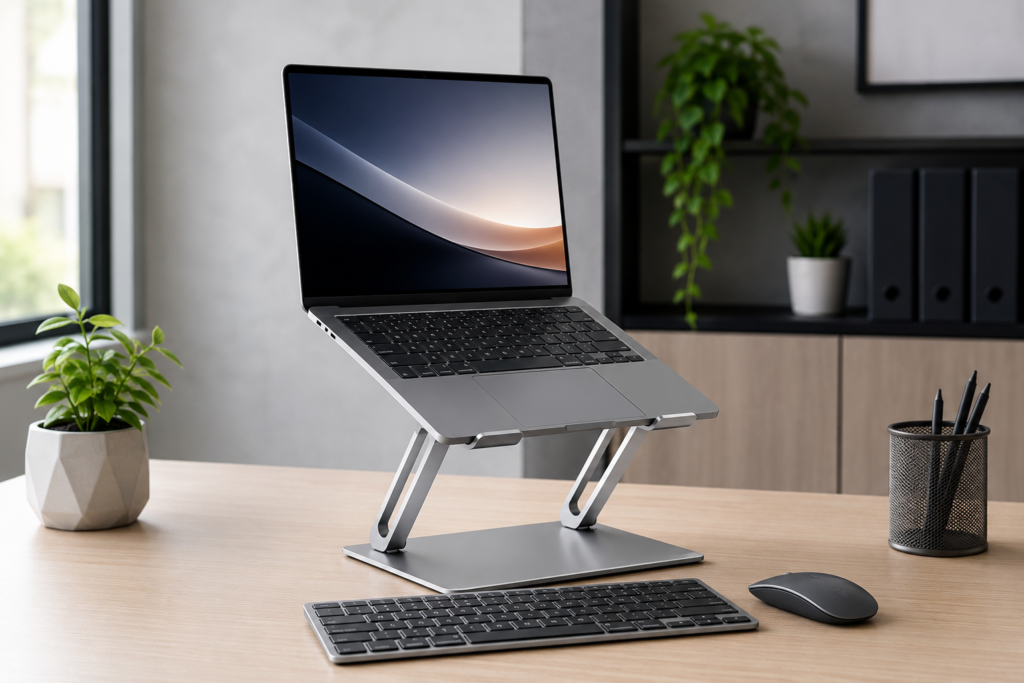
Lightweight business laptops are useful for consultants, sales professionals, remote workers, executives, and employees who travel regularly. A laptop weighing between two and four pounds can be easier to carry during long workdays.
Battery life is equally important. A reliable battery allows users to attend meetings, work during travel, and complete important tasks without constantly searching for a power outlet.
Choosing a Laptop for Office Tasks
The ideal Laptop for office work should have a comfortable keyboard, clear display, responsive touchpad, reliable webcam, quality microphone, and enough ports for office accessories. A 13-inch or 14-inch display offers better portability, while a 15-inch or 16-inch screen provides more space for spreadsheets and multitasking.
Employees who spend long hours typing should pay close attention to keyboard comfort. A poor keyboard can reduce efficiency and cause discomfort over time.
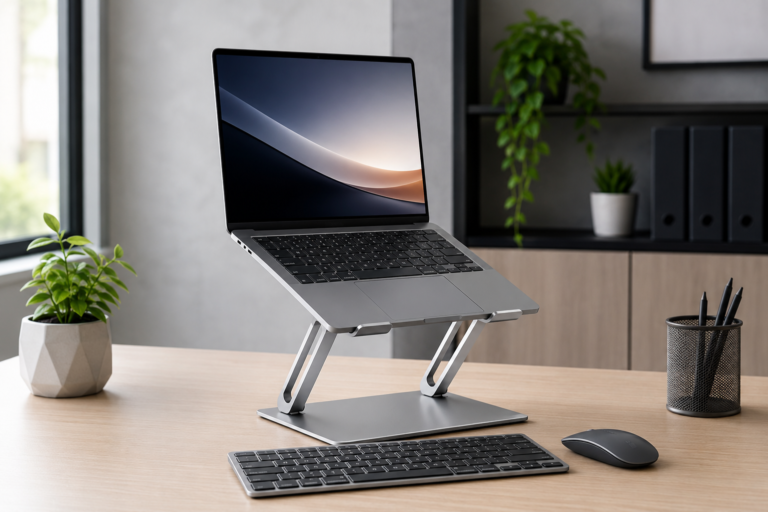
Useful ports may include USB-A, USB-C, HDMI, Ethernet, and a headphone connection. Some Business laptops work with docking stations, allowing users to connect external monitors, keyboards, storage devices, and other accessories through one connection.
Productivity and Software Compatibility
Different companies use different software. Before buying a device, confirm that it supports your accounting system, communication platform, security software, industry applications, and other necessary tools.
Business productivity laptops should be capable of running office applications, video conferencing software, web browsers, cloud platforms, and project management systems at the same time.
Windows devices are commonly used in many corporate environments because they support a wide range of business applications. Mac laptops may be suitable for creative teams, software developers, and companies already using Apple products. ChromeOS devices can work well for businesses that mainly depend on browser-based tools.
Laptops for Small and Large Companies
Small businesses often need affordable devices that can handle daily tasks without expensive technical support. Large organizations may prioritize security, device management, warranties, and standardized configurations.
Corporate laptops are designed to support structured business environments. They may include remote administration features, extended service plans, security controls, and compatibility with company networks.
The right choice depends on the employee’s role. A receptionist, accountant, designer, manager, developer, and sales representative may each require a different device. Businesses should evaluate actual work requirements instead of buying the same laptop for every employee.
Conclusion
Selecting the right Business laptops can improve employee performance, strengthen data security, and reduce long-term technology costs. Companies should compare processing power, memory, storage, durability, portability, security, and software compatibility before making a decision.
A reliable laptop is more than an office device. It is a long-term business tool that supports communication, customer service, collaboration, and growth. By matching each computer to the employee’s responsibilities, businesses across the USA can create a more productive and dependable workplace.
Frequently Asked Questions
1. How much RAM does a business laptop need?
For basic tasks such as emails, documents, and web browsing, 8GB of RAM may be enough. However, 16GB is recommended for smoother multitasking, video meetings, large spreadsheets, and demanding business applications.
2. Are business computers better than consumer laptops?
Business computers usually offer better durability, stronger security, longer warranties, and more management features. Consumer laptops may be affordable, but they are not always designed for continuous professional use.
3. What screen size is best for business use?
A 13-inch or 14-inch screen is suitable for travel and remote work. A 15-inch or 16-inch screen provides more workspace for spreadsheets, reports, design tasks, and multitasking.
4. How long should Business laptops last?
A well-maintained business device can usually remain useful for three to five years. Its lifespan depends on build quality, workload, maintenance, battery condition, and whether its hardware can support updated software.