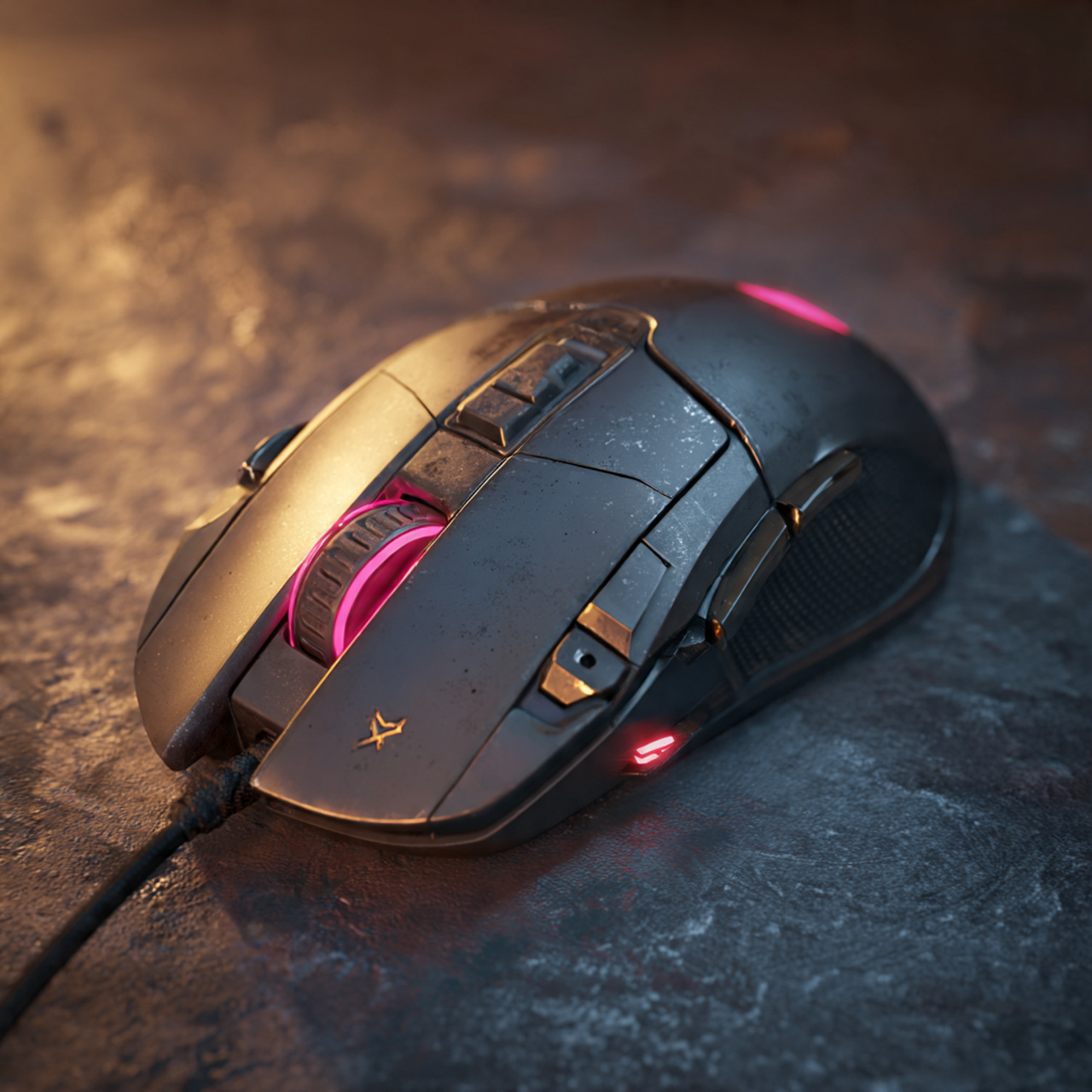
On Aghow, the search for the best wireless mouse often starts with doubts rooted in older wireless gaming mice, unreliable wireless connections, and feared input lag that once hurt game performance. From extensive testing mice using objective methodology, modern designs now rival wired mice in speed and accuracy, making them viable for serious play. By evaluating accuracy, value, and features, it’s clear that both budget-friendly options and expensive models can meet real gaming needs, depending on expectations.
A deluxe wireless mouse like the Razer DeathAdder V3 Hyperspeed stands out as a top pick, but reviewing the pros and cons of other tested models helps identify truly recommended models. A good wireless mouse depends on the best type for user needs, the long-held reputation among gamers, the kind of games played, and key ancillary features such as stable wireless connectivity, solid battery life, natural feel in hand, responsive buttons, smart button layout, and reliable sensor quality—all essential buying considerations shaped by real gaming mouse experience.
Is Bluetooth or Wireless Better for a Gaming Mouse?
In real use, the gaming mouse experience changes depending on whether you rely on Bluetooth or wireless RF. A solid RF connection using 2.4GHz wireless radio-frequency technology delivers stronger wireless connectivity for high-speed games and fast-reaction games, where precise movements and true gaming precision matter most. With a USB receiver creating a direct PC connection, you get a low-latency connection measured in fractions of a millisecond, resulting in a stable connection with no discernible input lag, even around nearby signals and potential signal interference or sync loss. Models like the Razer DeathAdder V4 Pro show this clearly, though battery drain increases with RGB lighting. Bluetooth still suits web browsing and office work, offering versatility through a dual-mode connection for computers only setups or switching to a phone or tablet via a USB-C port, improving device compatibility, as seen on mice like the Corsair Dark Core RGB Pro SE with a secure USB dongle, dongle storage slot, and mouse body compartment that reduce portability issues like a lost dongle.
Rechargeable or Disposable Batteries: Which Is Better for a Wireless Mouse?
Choosing a wireless mouse battery comes down to balancing power concerns around a single charge against daily habits. While estimated battery life and manufacturer estimates assume ideal conditions with RGB lighting off, my anecdotal testing in real-world usage shows wide gaps under practical conditions, from a few days of use to multiple weeks of use. Mice with rechargeable internal batteries typically last dozens of hours and allow charge and play through a charging cable and temporary wired connection, while disposable batteries like AA batteries or AAA batteries can deliver long battery life of 100 to 200 hours but require replacement batteries, add e-waste, and create recycling issues. Newer options include wireless charging via a charging pad or charging dock, using the Qi wireless standard and third-party charging pads from Corsair and HyperX, or ecosystem solutions like Razer Ultimate, Razer Pro tier, a Razer charging dock, and Logitech G with its PowerPlay mousepad, supported by smart battery monitoring that prevents a dying battery.
Gaming Mouse Software: What to Look For
Reliable gaming mouse software and configuration software make everyday use smoother by letting you remap inputs, tune RGB lighting settings, and adjust power settings such as auto-shutoff, sleep mode, lighting control, and RGB brightness for an efficiency balance that preserves a custom aesthetic. Across many mouse variations, I’ve found manufacturer differences aren’t always deal-breaker features, but they are a serious usability consideration tied to brand reputation. Established gaming mouse brands usually deliver more polished software and feature-rich software, like Asus ROG Chakram managed through Armoury Crate 3. Keep in mind that Windows-only software affects platform compatibility—you may get basic functionality elsewhere, but full functionality is key for Mac users, so check macOS compatibility, hardware version, and support such as gaming mice for Macs.
So, What Is the Best Wireless Gaming Mouse to Buy?
Finding the best wireless gaming mouse is ultimately a buying decision shaped by major details discovered while picking a mouse that suits your personal fit and overall desk setup. For a clean, cordless desk, pairing it with wireless keyboards and other gaming peripherals like gaming headsets, gaming chairs, monitors for gamers, or even a gamepad helps unify your PC gaming accessories. Following trusted peripheral advice, choosing top-rated products, and focusing on gaming setup optimization ensures the mouse feels like a natural extension of your hand rather than just another gadget.