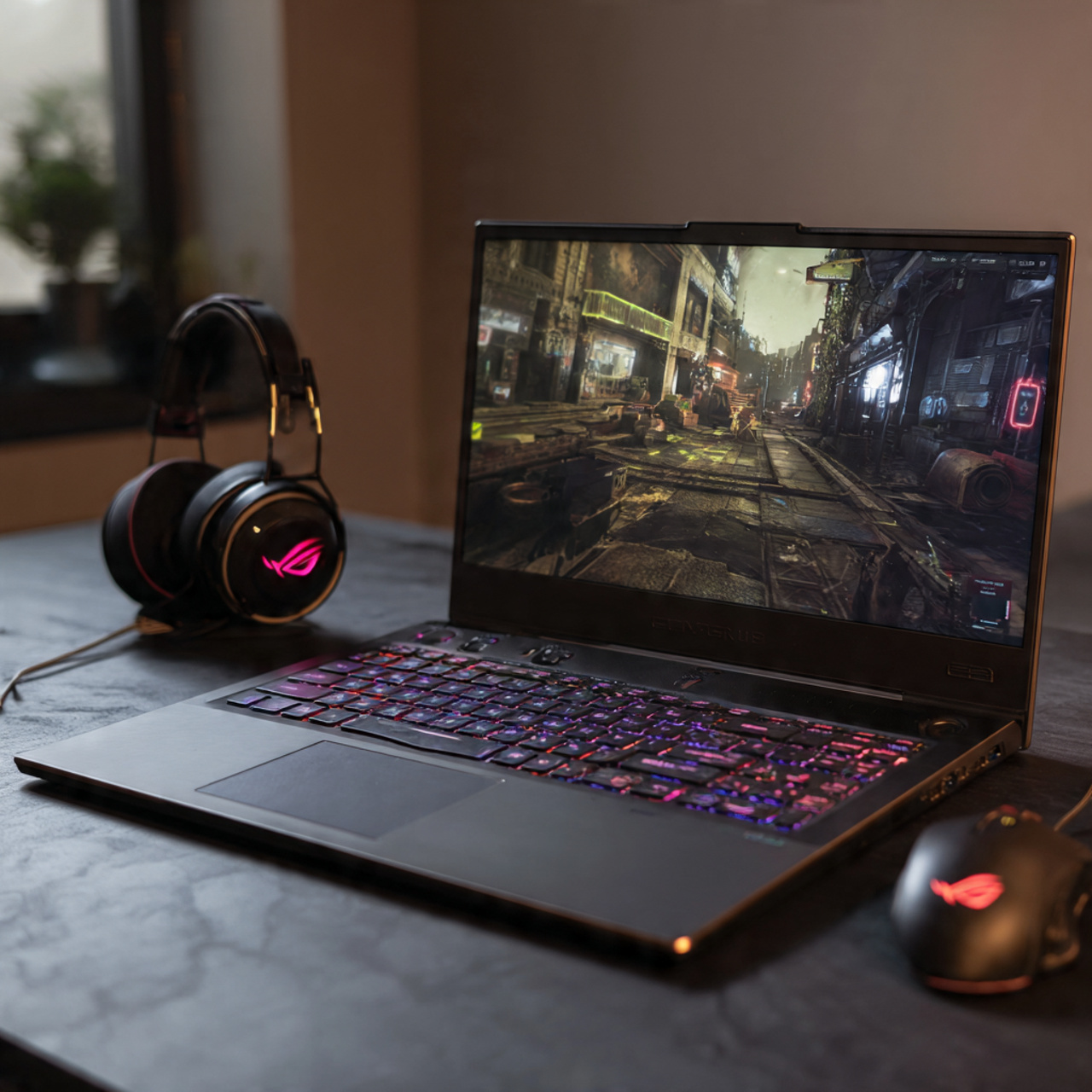
A best gaming laptop is now a smarter practical choice than hulky desktops for many PC enthusiasts. With modern Core and Ryzen processors combined with Radeon or GeForce GPUs, users get strong tested CPU performance and smooth graphics performance backed by real benchmarking from analysts and experts focused on evaluating the best values.
Choices vary by screen sizes from 14 inches to 18 inches, smart component options, and balanced design that improves usability, connectivity, and display quality across different models. Most shoppers decide by budget, looking under premium pricing or in midrange categories, where a top basic gaming laptop from tested options, guided by shopping advice, critical specs, and careful pinpointing, makes shopping easier.
Best Gaming Laptop Deals – Power, Performance & Smart Budget Choice
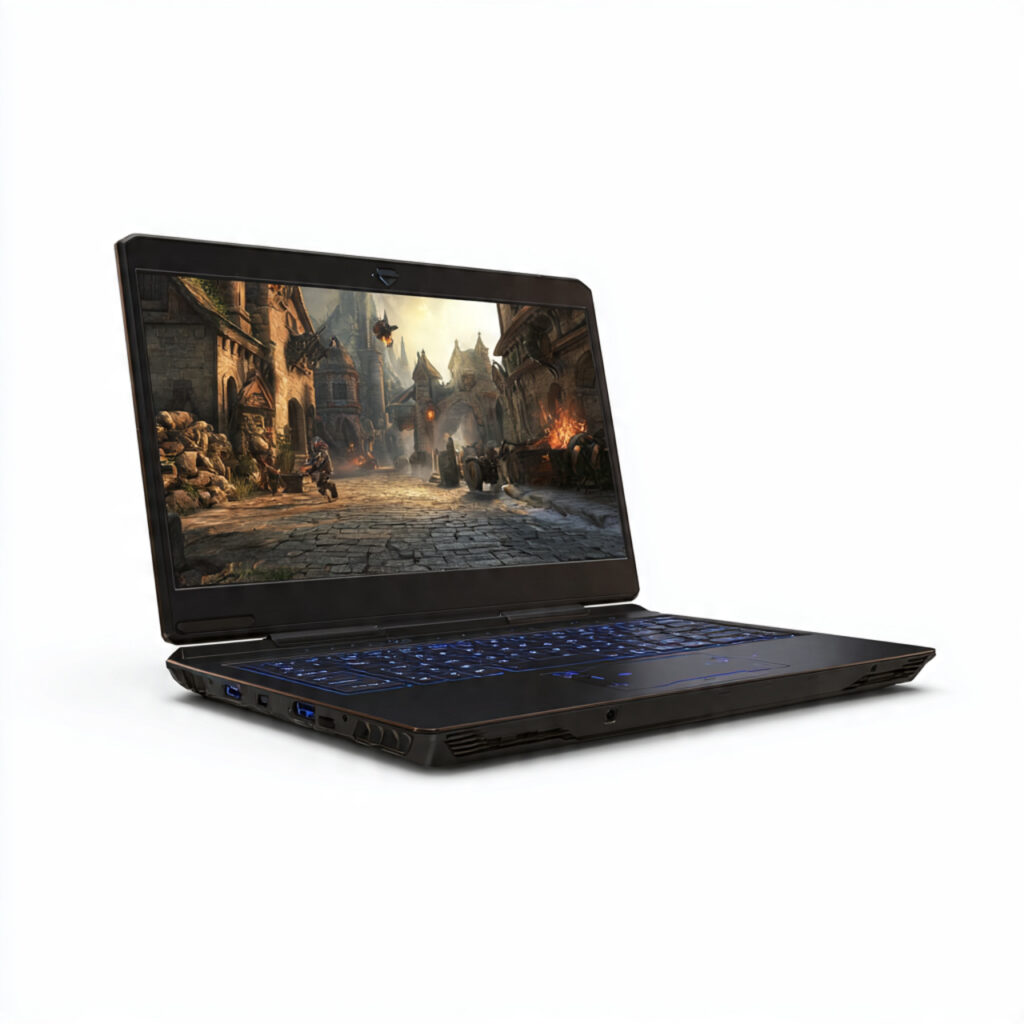
A gaming laptop purchase is driven by the ultimate factor of money, so setting a clear budget matters. Compared to consumer laptops, modern gaming systems use higher-end components, which explains higher prices across the category and a wide price range from under a grand to nearly $5,000.
Most budget gaming laptops fall between $800 and $1,250, offering a capable system that can play games at full HD resolution or 1080p. Expect settings turned down in demanding titles, while maximum quality settings work well for simpler games and older games.
In terms of storage, a modest-capacity solid-state drive or SSD is common and preferable as a fast boot drive. A hard drive usually means an older model, and such systems are generally best avoided today.
The best gaming laptop usually sits among high-end systems, where a gaming laptop is expected to deliver smooth gameplay at 1080p and 1440p with maxed out graphics details on a high-refresh screen. Once you move higher, 4K resolution becomes realistic with proper screen support and strong GPU support, making room for immersive setups like a VR headset and multiple external monitors.
Performance at this level is backed by fast PCI Express SSDs and capacious storage, though that comes with pricing above $2,000 and a clear premium cost. In real buying scenarios, the $3,000 price range is common for expensive gaming laptops that qualify as true high-performance models, especially larger 18-inch laptops with fully kitted configurations reaching $5,000 pricing.
Display and build quality explain much of that jump. A large display or big beautiful screen carries a high price tag, especially when paired with the highest-end components. Options like QHD displays, 2,560-by-1,440 resolution, QHD-equivalent screens, 2,560-by-1,600 resolution, and a 16:10 aspect ratio, alongside sharp 4K screens, shape how premium these machines feel day to day.
Behind the scenes, advanced cooling and ultra-efficient cooling fans keep top-end parts stable, thanks to modern advancements. Today, even thin and portable laptops can offer premium performance, whether through a thin chassis packed with powerful hardware or a chunkier build designed for maximum power, all within a consistent high-end performance tier.
Best Gaming Laptop — Which Component Matters Most for Gaming Laptops?
From my own experience buying and upgrading more than one gaming laptop, the real struggle always starts with budget being the ultimate deciding factor. Every buyer juggles components, sets a spending limit, and decides what to prioritize. It’s a challenging choice between where to compromise and where to double down before spending cash wisely on balanced gaming laptop components that actually match how you play.
GPU
For gaming, the graphics processing unit (GPU) usually carries the most weight. The best GPU you can afford defines frame rates, high-quality graphics, and how well latest titles run. Whether it’s AMD or Nvidia, a gaming laptop GPU with a modern RTX designation like RTX 4070 or Nvidia GeForce RTX 4080 benefits hugely from ray-tracing lighting technology, DLSS, and AI-based rendering that boosts fps even at higher resolutions. In budget laptops, midrange options like RTX 4060 or RTX 4050 still deliver a solid mainstream gaming experience, especially on a 1080p screen.
CPU
The central processing unit (CPU/processor) supports the GPU by handling game logic and background tasks. Modern gaming laptop CPU options such as Intel 13th Generation or AMD Ryzen 7000 chips hit solid CPU requirements without overspending. I’ve found that pairing a strong GPU with a sensible Intel Core i5 or 7-class processors gives better results than overspending on a Core i9 while neglecting graphics.
RAM
When memory/RAM is limited, performance drops fast. 8GB RAM can handle basic gaming on Windows, but once a gameplay window, browser tabs, or a messaging app are open, your RAM allotment disappears. From experience, 16GB RAM is the minimum sweet spot for a smooth gaming session, especially with multitasking, webcam, or streaming video. A budget gaming laptop should have upgradable memory, while midrange gaming laptop and enthusiast gaming laptop users benefit from extra headroom. For streamers and heavy multitaskers, 32GB RAM isn’t overkill—many higher-end gaming laptops need it to maintain highest settings.
Screen
The laptop screen defines immersion. A 15.6-inch screen or 16-inch screens hit the balance between size and portability, while 17-inch laptops and 18-inch laptops feel more like a desktop replacement. Resolution and aspect ratio matter: 1080p screen or 1200p reduce hardware demand and improve frame rates on budget laptops and mainstream laptops, while 1440p, QHD, or 4K/UHD need a stronger graphics chip. A high-refresh-rate screen—144Hz or higher—delivers smooth visuals, especially with ray-tracing techniques, DLSS, and adaptive sync like G-Sync or FreeSync, even on RTX 3050 or RTX 4050 systems.
Storage
Fast storage space is non-negotiable. A gaming laptop SSD/solid-state drive drastically improves boot time and game loading over spinning hard drives. 512GB SSD is the realistic starting point, while 1TB storage suits most budget gaming laptops. High-end systems benefit from a 2TB SSD, preferably in M.2 format. With modern game installations growing, an extra M.2 SSD slot for an aftermarket SSD as a secondary game drive saves constant storage shuffling.
Battery
Battery life remains the weak spot. High-end components cause serious power drain, so most gaming rigs still rely on a wall socket. While improved battery life now reaches five hours or more in light use, gaming on battery accelerates charge drain quickly. Think of battery power as convenience for travel—true performance still comes when you plug in, since gaming machines aren’t built like the best battery life laptops.
Buying the Best Cheap Gaming Laptop in 2026
Finding the best gaming laptop usually means balancing a cheap gaming laptop with a realistic limited budget, often between $800 and $1,300. To get an effective system, buyers make sacrifices while maximizing power within a limited price range. From experience, graphics are the primary factor in gaming results, since a dedicated graphics chip is one of the most expensive components and defines a laptop’s gaming prowess and laptop class. Modern GPU options like the RTX 4050, occasional RTX 4060 at budget pricing, and newer RTX 5060 or RTX 5050 mobile GPUs deliver smooth gameplay at 1080p, even in newer games, with DLSS 4 helping demanding titles stay playable games and support light VR play.
On the CPU side, processors such as Core 5 and Core 7 shape each budget model—a Core 5 is usually enough for solid gaming performance, while Core 7 favors video editing and creative uses. You’ll mostly see Intel CPUs paired with Nvidia GPUs, though AMD Ryzen CPUs appear in some affordable gaming laptops. Even the cheapest gaming laptops now include SSD boot drives, a display locked to 1080p resolution (since 1,366-by-768 panels belong to non-gaming systems), and usable RAM, where 16GB RAM is far more comfortable than 8GB RAM.
What Else Do You Need to Up Your Gaming Laptop?
Useful extras include USB Type-C, Thunderbolt 4, and enough USB Type-A or USB 3.0 ports for an external mouse or hard drive with media files. Features like RGB keyboard lighting, chassis lighting, and software performance modes add flair, while Ethernet ports help with wired downloads and online gaming. A wired VR headset needs the right port loadout, such as HDMI output or DisplayPort, plus enough USB ports and clean cabling. Support for an external display via mini-DisplayPort or USB-C video also helps, depending on laptop screen size.
Which Brand Is Best to Buy a Gaming Laptop From?
Among gaming laptop brands, the biggest manufacturers like Acer, Asus, Dell, and Lenovo offer strong value across many price points and configurations. Dedicated gaming specialists—Alienware (a Dell subsidiary), Gigabyte, MSI, and Razer—focus on premium gaming rigs, often charging price premiums for better build quality.